The Weekend Edit — Light, memory and the city
Halloween lights, Castilian traditions and the journeys that shape our days. Three stories, two plans and one familiar address near Plaza Mayor.
Bones, Charcoal,
and Cold Granite

Nobody carving a turnip in the boggy chills of Gaelic autumn was thinking about fun-sized Hershey bars.
Centuries before it became an industry, late autumn marked a stark seasonal threshold—what early Irish literature referred to as Samhain, the turning point where summer ended and winter began. In medieval pastoral life, it meant driving cattle from summer pastures, preparing for the lean months, and confronting the literal dark. Folk belief held that the boundary between the living and the spirit realm grew porous. People gathered around communal bonfires, readied hearths against the cold, and in later seasonal mumming traditions, took to disguising themselves to navigate the unpredictable threshold between worlds.
As the Church expanded the feasts of All Saints and All Souls across the early medieval calendar, theological solemnity layered over those older autumn rhythms. Centuries later, during the 19th-century famine migrations, Irish and Scottish emigrants carried those customs across the Atlantic. In the Americas, the fibrous European turnip gave way to the native pumpkin, and over decades, traditions rooted in harvest anxieties and neighborhood mumming were gradually reshaped—first into civic community events, and eventually into the multi-billion-dollar modern costume industry.


Which brings us to late autumn in Segovia.
Castile has its own relationship with the end of the year. Here, early November has traditionally belonged to El Día de Todos los Santos—a day of quiet remembrance and family duty. On the morning of November 1st, families walk uphill through the biting wind toward the municipal cemetery, arms laden with white chrysanthemums and buckets. They spend the morning scrubbing granite headstones, arranging blooms, and reconnecting with neighbors amid the quiet murmur of the niches.
Yet stand near the Roman Aqueduct or stroll past the Plaza Mayor on the evening of October 31st, and the modern season shows its mixed, layered face.
Children in plastic fangs and smeared face paint dash between arcade arches, while shopfronts display a bricolage of imported imagery—rubber horror masks alongside the painted Catrina faces popularized by Mexican folklore, now ubiquitous across global cinema and storefront design. Down on the street corners, though, the sensory anchor remains distinctively Castilian. A vendor tends an iron brazier, shaking wire baskets of castañas over glowing coals until white smoke drifts across the paving stones. A few doors down on Calle Real, display windows balance plastic webs against rows of huesos de santo—little tubes of almond marzipan filled with sweetened egg yolk, shaped like stylized finger bones—and airy buñuelos.
It is easy to view these overlapping scenes as a clash between commercial novelty and quiet Castilian heritage. But watch closely. A family carrying flowers to cold stone, a baker rolling almond paste into miniature bones, and a teenager in a cape are not canceling one another out. They are simply speaking different seasonal dialects of the same enduring reflex: lighting a flame, sharing something sweet, and marking our place against the dark.
Happy Halloween, Segovians.
The bus strike,
and the journeys behind it.


Getting to work, collecting children and reaching an appointment all become harder when a familiar timetable changes. Segovia’s announced partial stoppages cover 13 dates between 27 October and 27 November, following a dispute over the new collective agreement.
Thursday 29 October: 06:00–09:30 and 13:00–16:00.
Friday 30 October: 08:00–12:00 and 18:00–21:00.
Lines 2, 8, 9 and 11 retain their announced timetables. Other lines may run less often or stop during the affected windows.
The implications go beyond a longer wait: school collections, shifts, medical appointments and onward connections all need a little more planning. Check the line, date and return journey together, and consult the latest notices before travelling.
Read our passenger guide →The Toledo rail collision:
what we know, what comes next.

Our developing coverage of the collision near Urda, in Toledo province, separates reported facts from the questions the investigation must answer. We explain the interruption to the southern high-speed corridor and what it means for travellers with onward connections.
Our companion guide brings together assistance information and the practical checks to make before travelling. Check each leg with its operator: disruption on one corridor does not establish that every train in Spain is cancelled.
Read the developing report →Travel & assistance guide →A stage. A square.
A little room to explore.
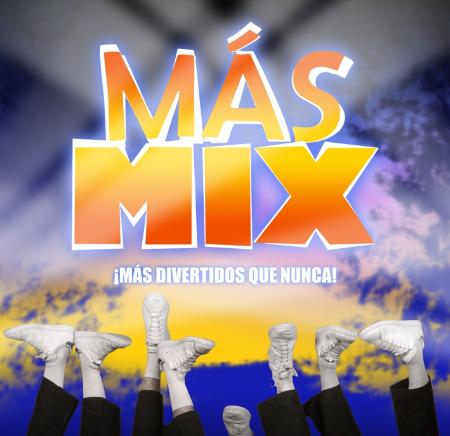
MAS MIX
Spasmo Teatro brings physical comedy and humour for all ages to the Juan Bravo. A Friday evening plan, right on Plaza Mayor.
Friday 30 October · 20:30
Teatro Juan Bravo
Tickets listed at €11; check availability.
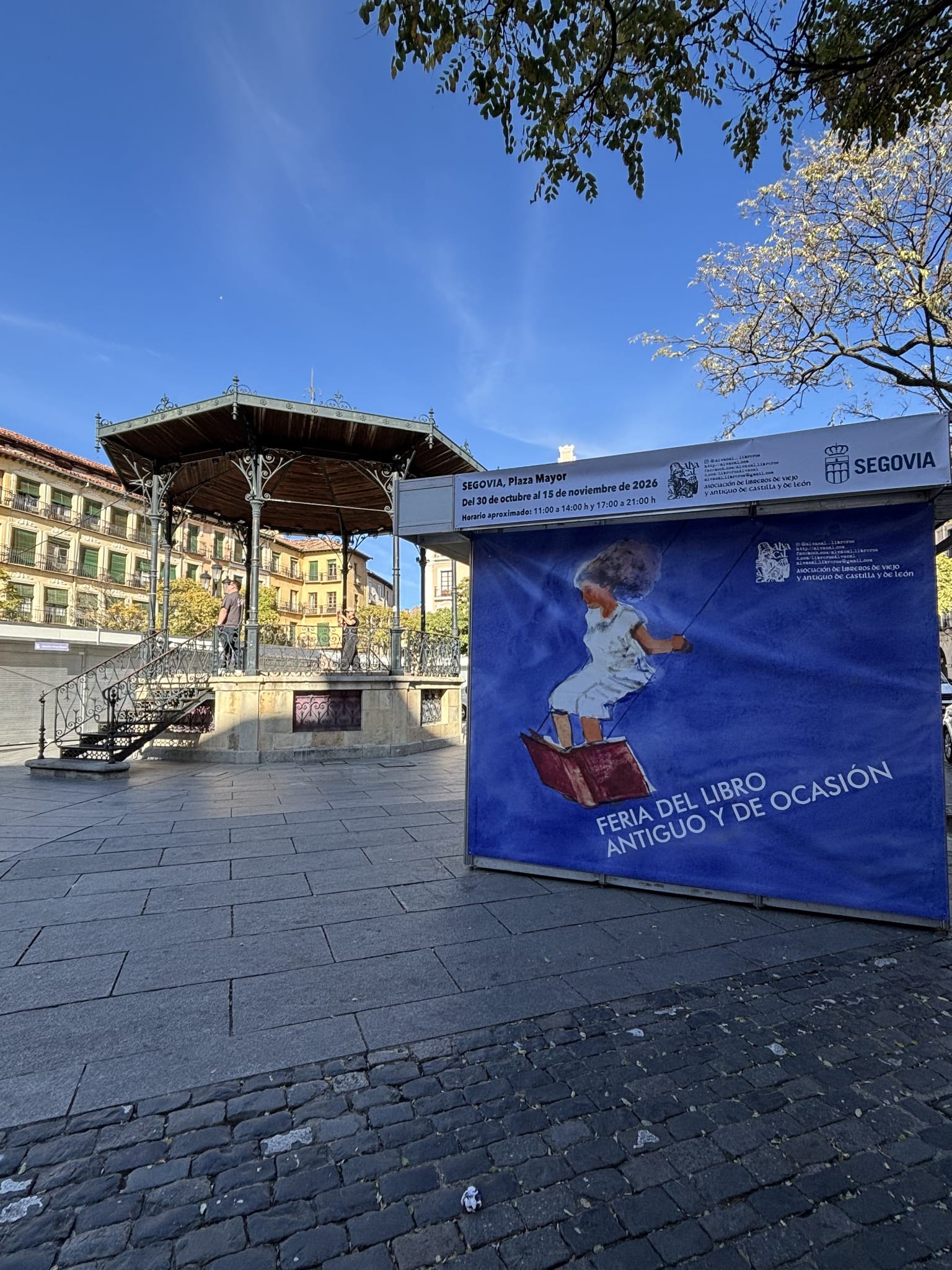
A new chapter in Plaza Mayor.
The Old & Second-hand Book Fair brings bookstalls back to the square. Browse for a forgotten author, an unexpected title or a book to take home from Segovia.
30 October–15 November
Plaza Mayor · Organised by ALVACAL
Approximate opening hours: 11:00–14:00 & 17:00–21:00.
Peluquería Ejarque.
Isabel and David.
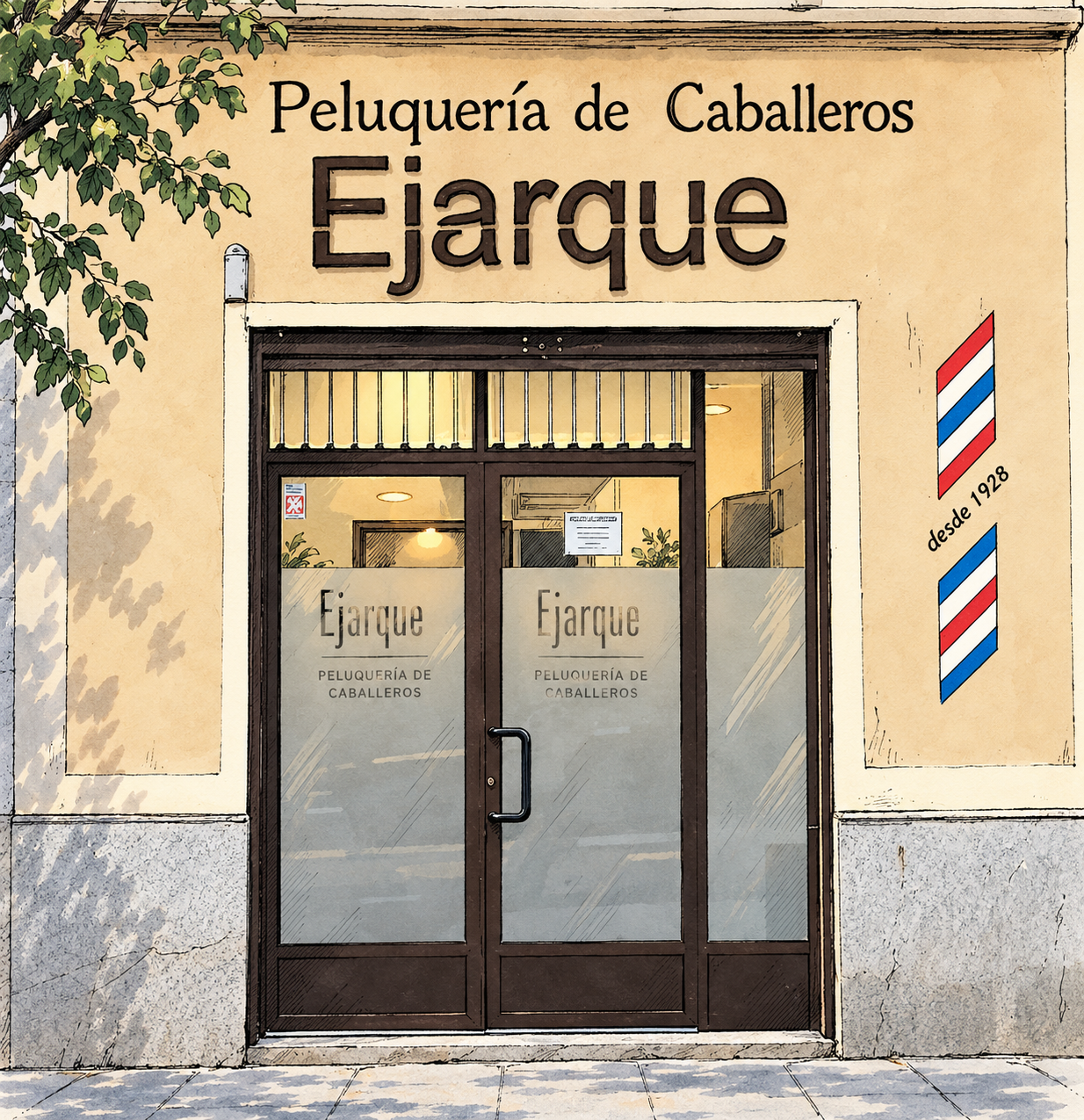
Just off Plaza Mayor, on Calle Cronista Lecea, Ejarque is a place to discover through the people who work there. Customer accounts repeatedly name Isabel and David, praising their personal attention and the care they take with haircuts and beard grooming.
One reviewer describes a family connection across three generations of customers. It is a small glimpse of the everyday relationships that give a city its character: a familiar chair, a conversation and a reason to come back.
Find it: Calle Cronista Lecea, 3, Segovia
Appointments: +34 921 460 050
Call to confirm availability and opening hours.
Member discussion