La Granja de San Ildefonso: More Than a Royal Retreat
1 Place Worth Discovering
Royal ambition, skilled labour and a mountain landscape meet in La Granja. An autumn visit is an opportunity to see how much lies beyond the palace gates.
The Royal Palace makes a persuasive case for being the centre of a visit to La Granja de San Ildefonso. Yet a day organised entirely around it can leave the place oddly incomplete. Beyond the royal rooms are a town, a glassmaking tradition and a landscape whose influence is visible even in the formal gardens.
That wider relationship is the reason to come. La Granja is a place where buildings, water, woodland and work belong to the same story. It rewards a day with room to move between them, rather than an itinerary designed to collect as many sights as possible.
Before and after the royal retreat
The royal project did not begin on empty ground. The municipality’s history places it within a landscape already shaped by settlement, royal hunting and religious ownership. The name “La Granja” recalls the farm associated with the Hieronymite monks of Segovia’s El Parral.
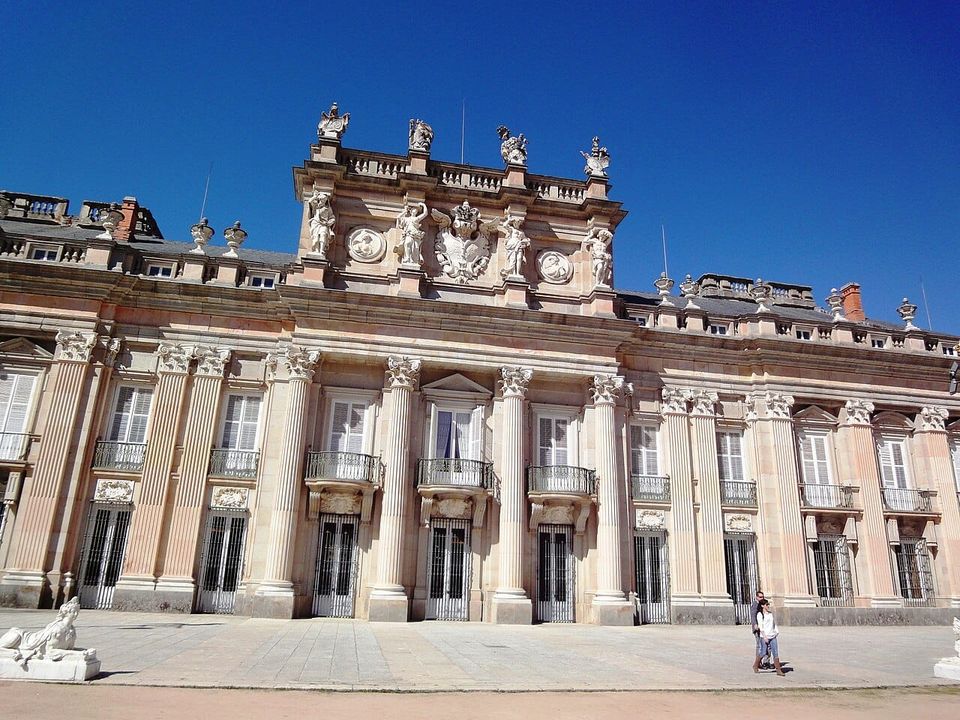
Philip V acquired that property in 1720. According to Patrimonio Nacional’s history of the royal sites, Teodoro Ardemans directed the initial palace project, while René Carlier designed the gardens. The king’s intention to retire here was overtaken by events: after his son Louis I died in 1724, Philip returned to the throne and the residence continued to develop.
Calling the result simply a Spanish Versailles misses some of its interest. French influence is central to the formal gardens, but the palace also reflects Spanish and Italian architectural contributions. Andrea Procaccini, Filippo Juvarra and Giovanni Battista Sacchetti belong to its developing story. La Granja emerged through successive decisions, rather than as a single copied composition.
That layered authorship changes how one looks at a royal residence. The façade is an expression of monarchy, but also the outcome of design, construction and collaboration. A palace is never made by a king alone.
Water doing the work
The gardens make their own argument through scale and arrangement. Long views, ordered planting and sculptural groups frame the surrounding landscape, while the mountains remain a presence beyond the geometry. The contrast between formal design and a much larger natural setting is one of La Granja’s lasting pleasures.
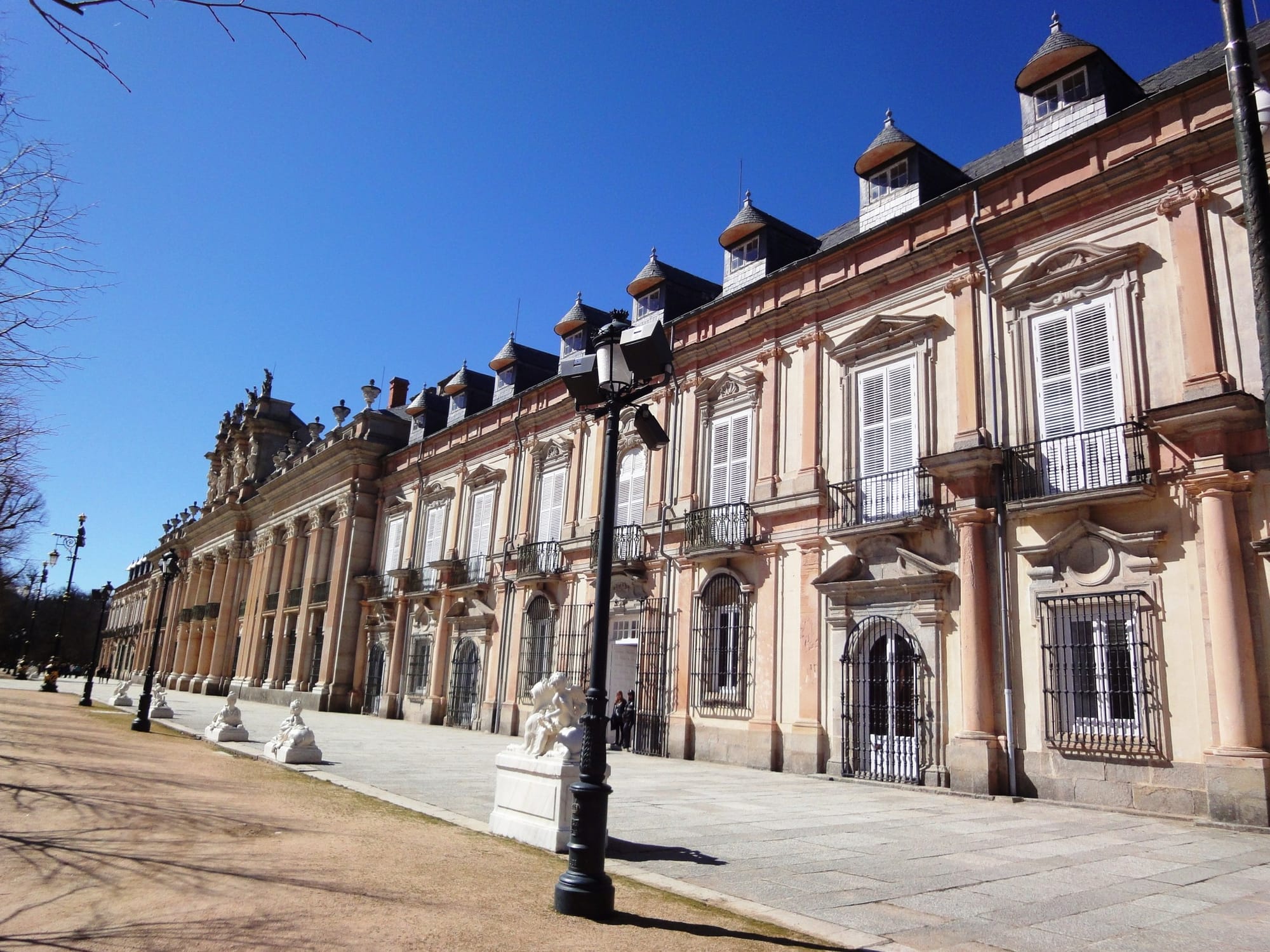
The municipal account of the gardens describes 26 monumental fountains and a hydraulic system fed from the elevated reservoir known as El Mar. Gravity supplies the pressure. The fountains are therefore engineering works as well as theatrical sculpture: the spectacle depends on height, stored water and a carefully organised network.
It is worth looking at them even when the jets are still. Basins, figures and the placement of each group reveal how water was intended to move through the scene. A fountain does not become meaningless when it is not performing.
Do not build an October day around an assumed display. Operating dates and conditions must be checked with Patrimonio Nacional; this feature does not confirm fountain operation for 15–18 October. Palace admission and garden arrangements should likewise be checked separately when planning.
A town between visits
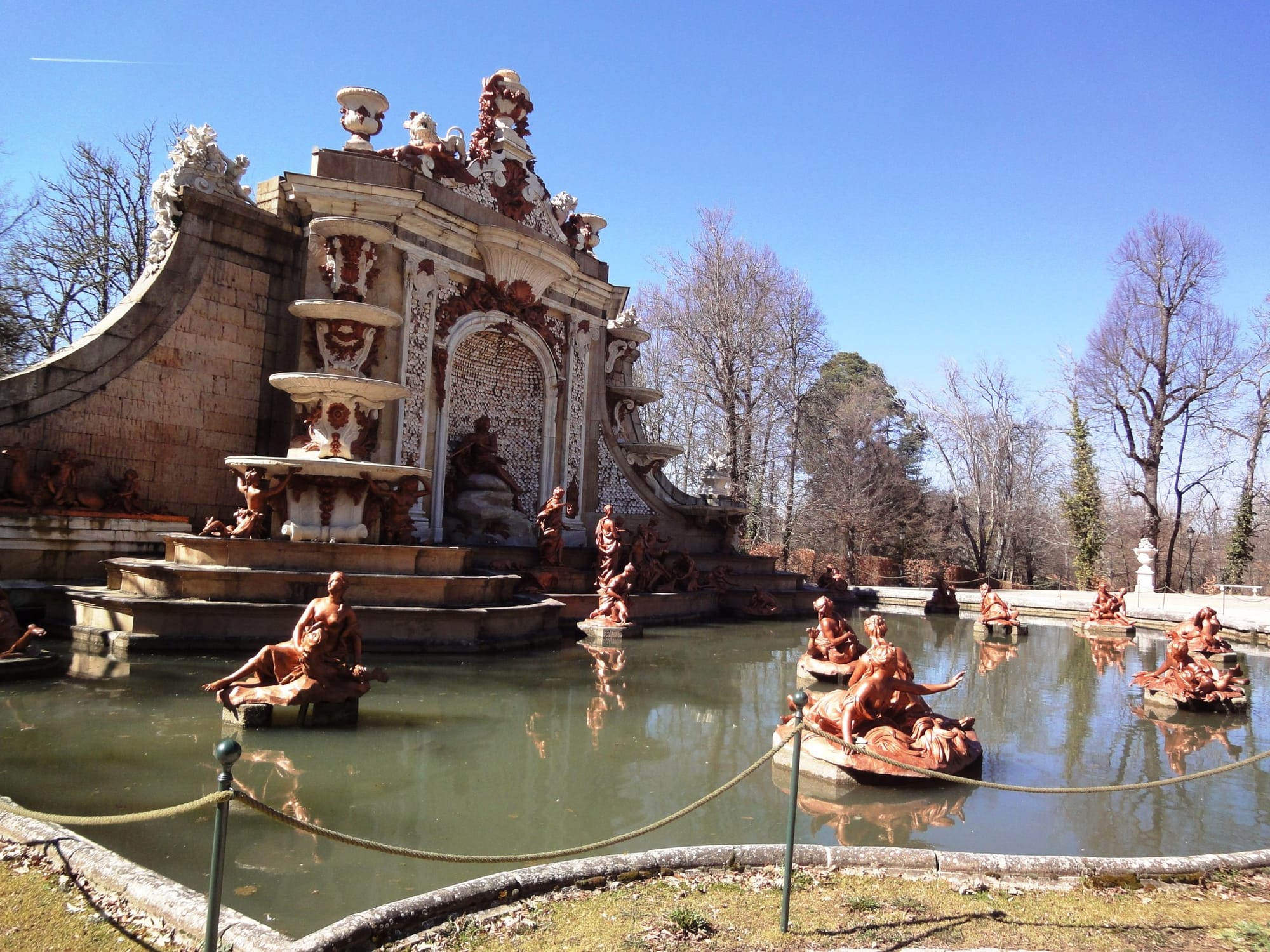
Outside the monumental spaces, allow time for the streets themselves. This need not become another checklist. Look at how buildings meet the pavement, how routes connect to the palace, and where the scale shifts from ceremonial to everyday. A slower walk can make those relationships legible.
La Granja is also a living community. People work here, shop here and return home through the same spaces that visitors photograph. Treating the town as more than a picturesque interval means leaving entrances clear, keeping noise considerate and accepting that everyday life need not arrange itself around an itinerary.
A pause for lunch or coffee can belong to that slower rhythm without requiring a recommendation for a particular business. Leave room for the place between the attractions. Otherwise, even a full day can become little more than movement from one entrance to the next.
The other royal legacy: glass
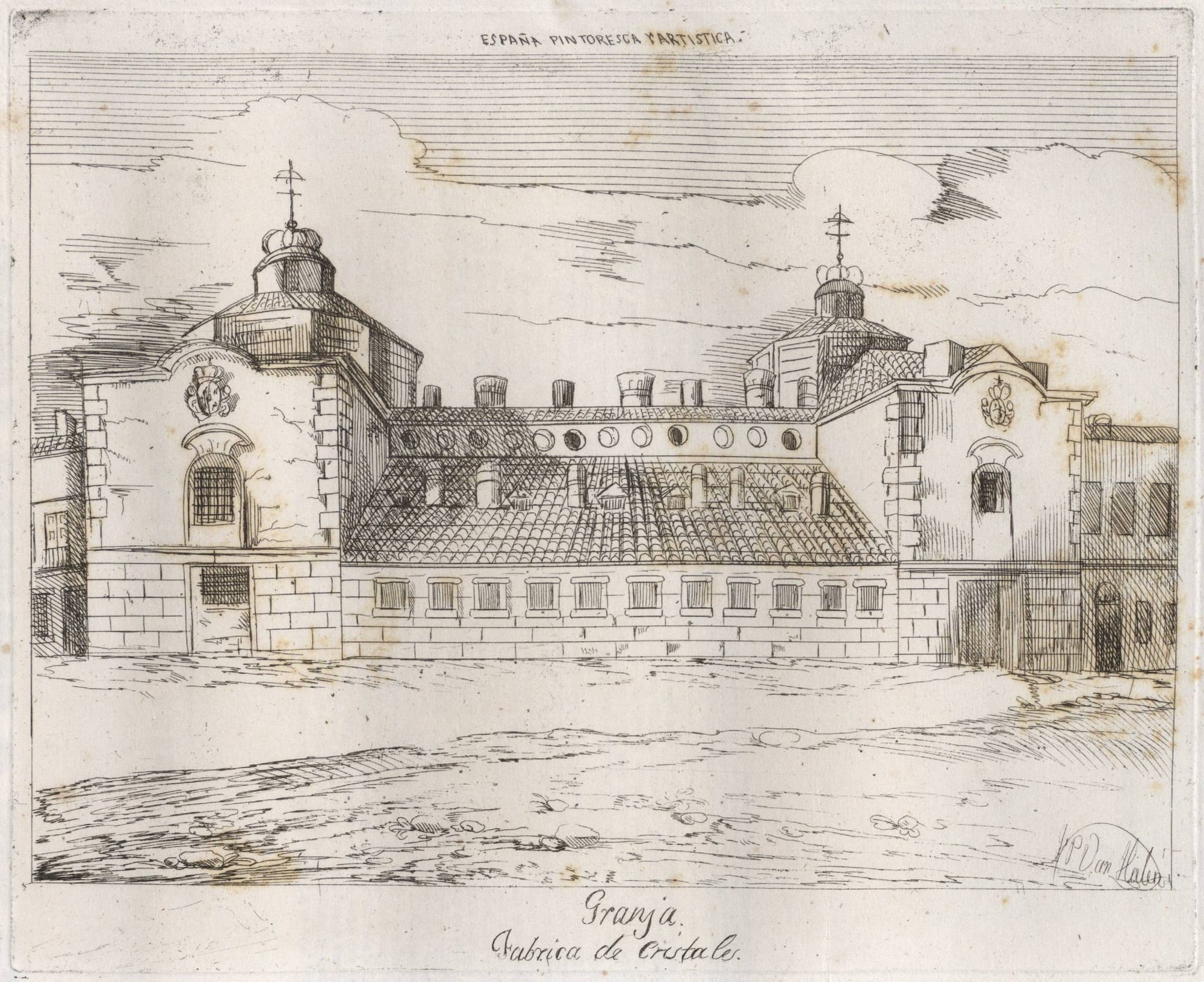
The Real Fábrica de Cristales adds a necessary counterpoint to the palace. Its history belongs to the Bourbon effort to develop luxury manufacturing, bring technical skills into Spain and reduce dependence on imported products. The objects associated with courtly life required expertise, equipment and labour.
Glass makes that dependence tangible. A polished surface can conceal the processes that produced it; a factory museum asks visitors to think about heat, materials and technique before the finished object. It shifts attention from what a royal household possessed to how such things were made.
The institution connects that industrial inheritance with the continuing culture of glass. Consult its visitor information for current access, exhibitions and any demonstrations rather than assume that every activity runs throughout the day. The address is Paseo del Pocillo 1. For a first visit, the factory is a strong reason to leave enough time beyond the palace.
Autumn, and the forest beyond
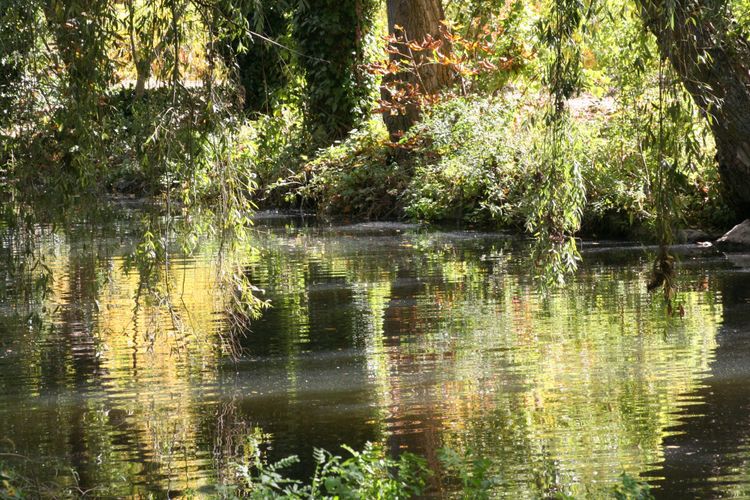
Autumn gives the garden avenues a different emphasis: the trees and paths can become as absorbing as the monumental views. Colour varies with the weather and the stage of the season, so a photograph from another October is an invitation, not a forecast. Cooler air and shorter days are practical reasons to bring layers and plan a sensible return.
Beyond the town lie the Valsaín forests on the northern side of the Sierra de Guadarrama. The official CENEAM route information introduces a landscape of pine and oak, with established paths and recreation areas including Los Asientos and Boca del Asno. It is an environment to understand, not spare space to fill after sightseeing.
A substantial forest walk deserves its own time and preparation. Check weather and route conditions, follow signs and restrictions, stay on established paths and take litter away. Do not assume that collecting plants or fungi is permitted. If daylight or energy is limited, a garden walk and a return visit to Valsaín make a better plan than rushing both.
A rewarding day from Segovia
Choose one main indoor visit, leave time for the gardens and town, then add the glass museum if the opening arrangements and your pace allow. Alternatively, make glassmaking the focus and treat the palace grounds as a quieter companion. The point is to give each experience enough attention.
The municipal transport page identifies Linecar for the Segovia–La Granja–Valsaín bus service. Check the operator’s current timetable and the return journey for your particular day. If driving, use designated parking and avoid obstructing residential streets.
La Granja offers more than an escape from Segovia. It offers another way of reading its province: through royal ambition, skilled hands and the water and woodland that connect them. The most satisfying visit leaves space for all three.


Member discussion